 Dhaka, Bangladesh


 SANn Editorial Desk


For years, Himalayan countries have argued that UN climate talks treat mountains as an afterthought. This week, a proposal from Nepal, Bhutan and Kyrgyzstan for a dedicated programme on mountain regions and climate change made it into the draft cover decision at COP31 in Antalya. If it survives the final text, mountains would become a regular item on future COP agendas.
That matters. Glaciers in the Hindu Kush Himalaya feed rivers on which hundreds of millions of people in South Asia depend, from Nepal's hill farmers to Bangladesh's delta communities downstream. Glacial lake floods, landslides and shifting snowfall are already reshaping lives.
But recognition alone will not protect a single village. The same COP31 negotiations show deep divisions over finance and over how quickly rich countries should cut emissions. Developing nations are asking developed ones to reach net zero by 2030; poorer countries say their urgent pleas for climate funding are being met with a slow response.
A mountain programme must therefore come with money for early-warning systems, research and adaptation, and with simpler access for small countries whose climate ministries have limited staff.
Nepal and Bhutan have punched above their weight in Antalya. The test now is whether the final COP31 decision keeps their proposal and backs it with resources.
Background reporting: The Kathmandu Post / The Hindu · Source date: 2026-11-17.
This is an analysis by the SANn Asia editorial desk.
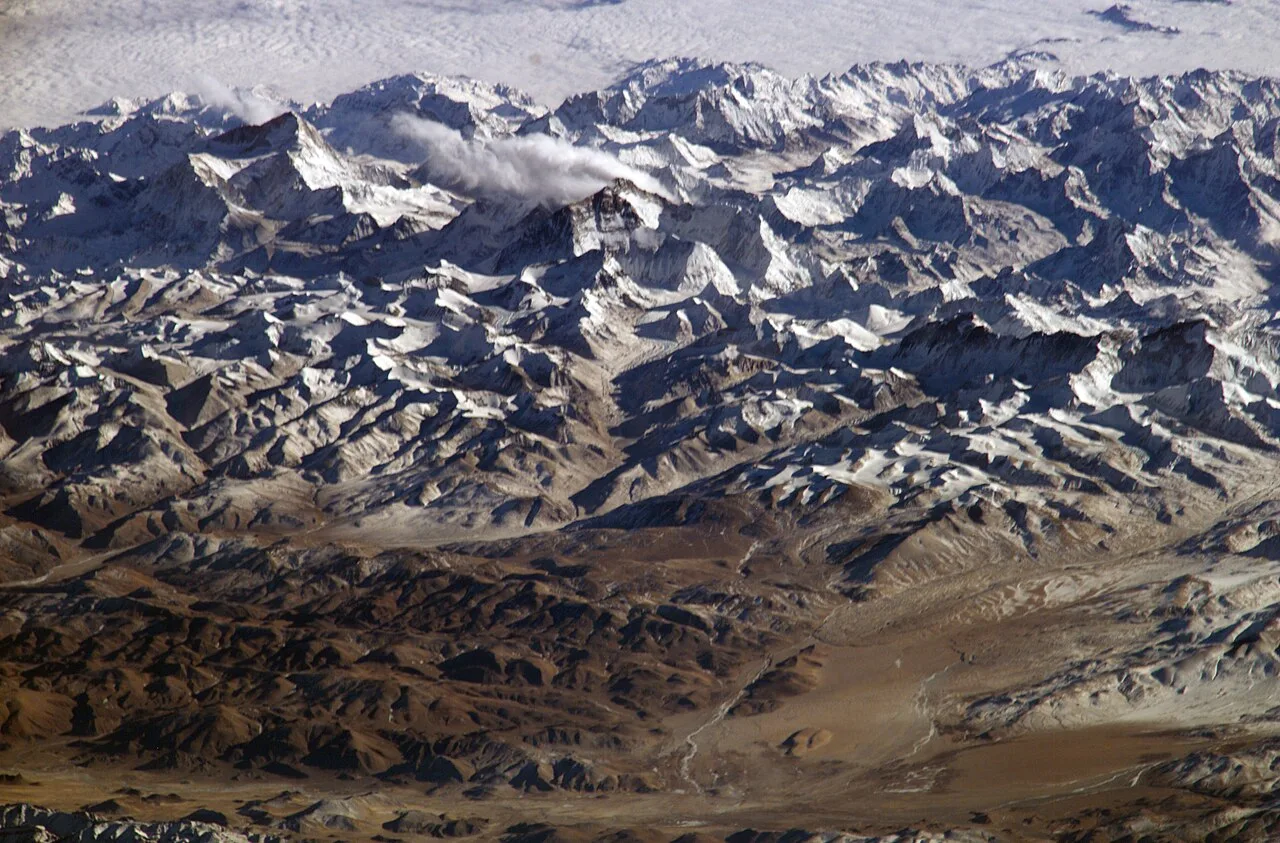
File photo: Himalayas.jpg — NASA. Wikimedia Commons original · Public domain. Resized; cropped in cards. Representative image, not a photograph of the reported event.
