 Dhaka, Bangladesh


 SANn Editorial Desk


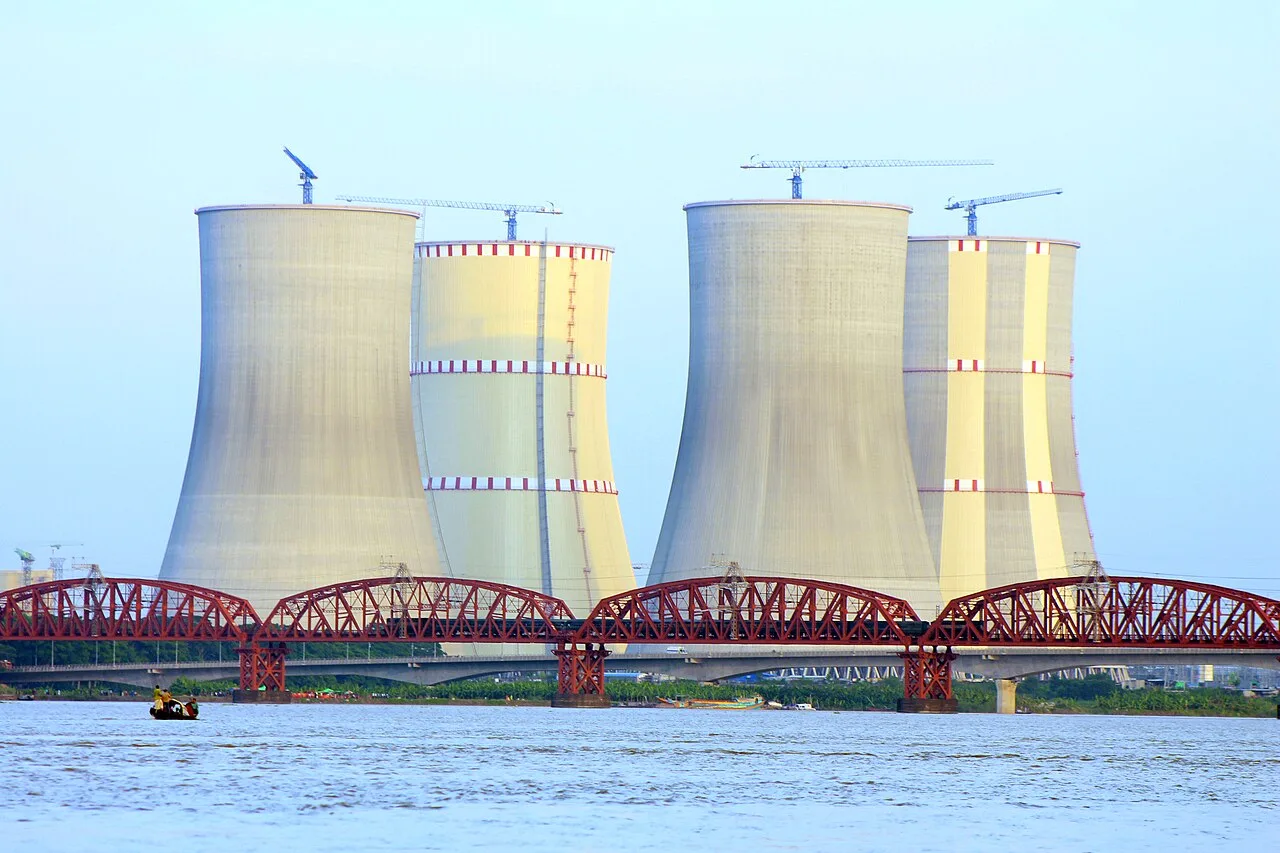
When the first unit of the Rooppur Nuclear Power Plant fed 350MW into Bangladesh's grid on Tuesday afternoon, the country joined a small group of South Asian nations generating electricity from nuclear fission. It is a genuine milestone after years of construction and debate.
It is also, as the operators themselves stressed, only a beginning. The connection lasted hours, not months. The unit will be switched off and on repeatedly as engineers test the reactor, turbine, generator and control systems, and a trial operation of about ten months lies ahead before commercial operation.
That gradual approach is exactly right, and it should not be rushed for political symbolism. Nuclear power earns public confidence slowly and can lose it in a day. The plant's operators and regulator should publish regular, plain-language updates on test results, shutdowns and safety findings, rather than leaving citizens to piece things together from rumour.
There are economic questions too. Rooppur was financed largely with foreign loans, and its value to consumers will depend on how reliably it runs and how its power is priced. Bangladesh has struggled for years with costly idle capacity and fuel import bills. A nuclear plant that runs steadily at high output could help; one that runs intermittently would add to the burden.
Tuesday's achievement belongs to the engineers and workers who built Rooppur. The next ten months will show whether it can become a dependable part of the country's energy future.
Background reporting: The Business Standard · Source date: 2026-11-17.
This is an analysis by the SANn Asia editorial desk.
File photo: Ruppur Nuclear Power Plant 2024.jpg — Jusujon1980. Wikimedia Commons original · CC BY-SA 4.0. Resized; cropped in cards. Representative image, not a photograph of the reported event.
